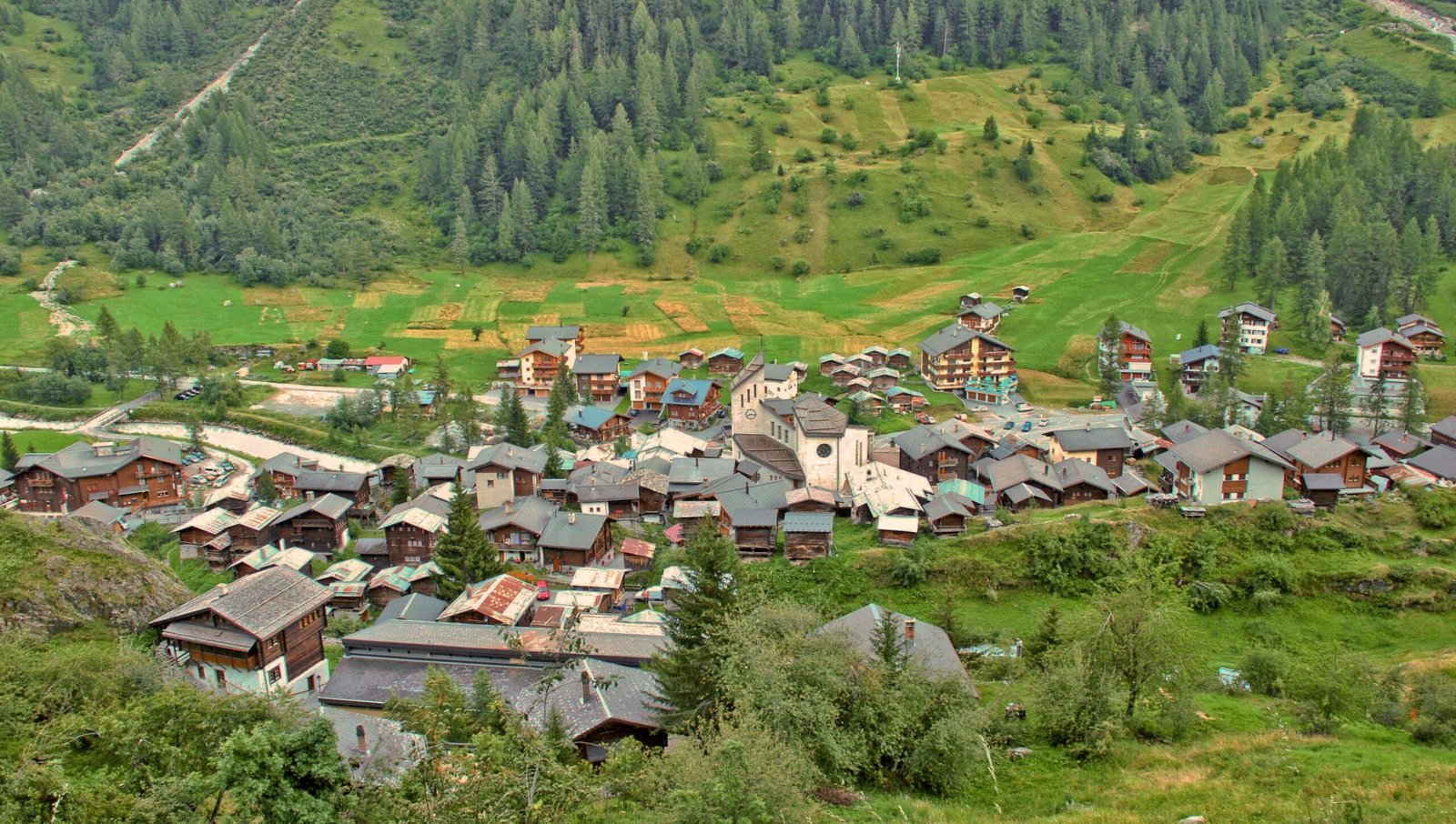
In late May 2025, the picturesque Swiss Alpine village of Blatten was almost entirely wiped off the map after a massive chunk of the Birch Glacier collapsed, sending a devastating torrent of ice, mud, and rock crashing down the mountainside. This catastrophic event, which buried roughly 90% of the village, has become a stark symbol of the accelerating impacts of climate change on fragile mountain communities.
This article delves into the unfolding tragedy in Blatten, the science behind glacier collapses, the human stories of loss and resilience, and the broader implications for Alpine regions worldwide.
Blatten: A Village Lost to the Glacier
Nestled in the Lutschental valley of the Valais canton, Blatten was home to approximately 300 residents who lived in harmony with the Alpine environment for generations. Known for its charming wooden chalets, lush pastures, and proximity to the imposing Birch Glacier, the village was a serene mountain community.
On May 19, 2025, geologists issued a grave warning: a 1.5-million-cubic-meter section of the Birch Glacier above Blatten was dangerously unstable and could collapse at any moment. Authorities promptly evacuated residents and livestock as a precaution.
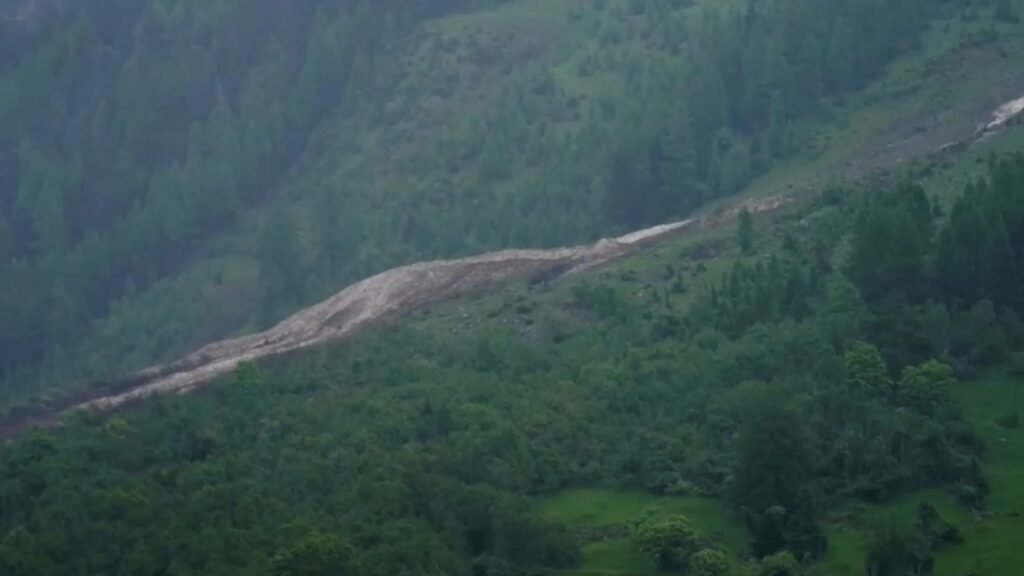
Despite the evacuation, on May 28, a massive portion of the glacier broke off, triggering a landslide that engulfed the village in a matter of seconds. Drone footage captured the moment when the glacier disintegrated, releasing a thunderous wave of mud, ice, and debris that buried homes, infrastructure, and even the Lonza Riverbed below.
The Collapse: A Catastrophic Chain Reaction
The glacier collapse was not an isolated event but the culmination of a series of environmental changes accelerated by climate warming:
- Glacier Retreat: The Birch Glacier, like many Alpine glaciers, has been retreating rapidly due to rising temperatures.
- Permafrost Thaw: The permafrost that binds rocks and ice in the high mountains has been thawing, destabilizing slopes.
- Rockfalls and Cracks: Increasing rockfalls and visible cracks in the glacier signaled imminent collapse.
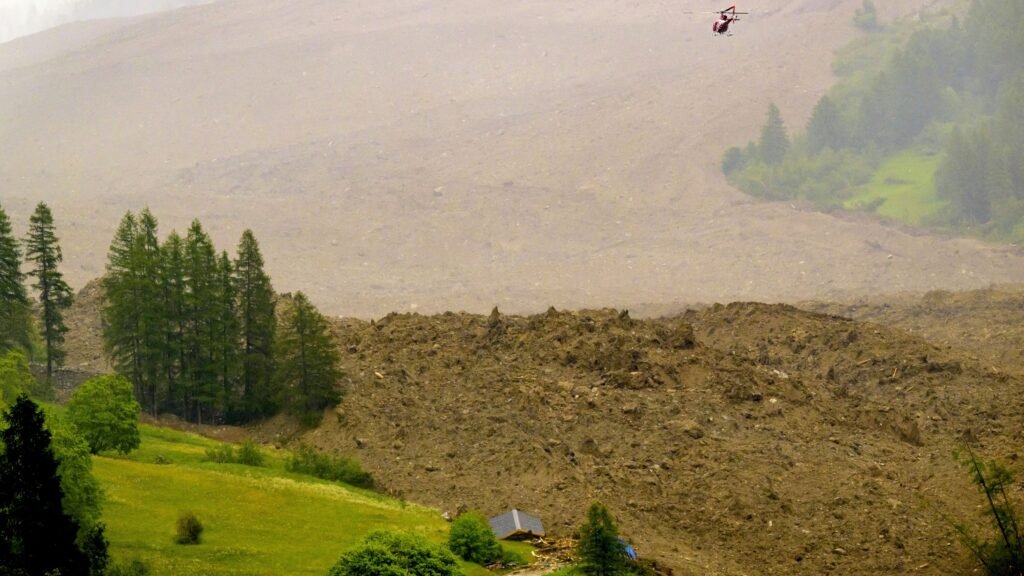
When the glacier gave way, it unleashed a massive flow of ice, mud, and rock that surged down the valley at high speed. The resulting landslide covered nearly 2 kilometers across, burying 90% of Blatten under a thick layer of debris.
Table: Key Facts About the Blatten Glacier Collapse
| Aspect | Details |
|---|---|
| Date of Collapse | May 28, 2025 |
| Glacier Involved | Birch Glacier |
| Volume of Ice and Debris | Approximately 1.5 million cubic meters |
| Percentage of Village Buried | About 90% |
| Number of Residents Evacuated | ~300 |
| Casualties | One man missing (64 years old), no confirmed deaths |
| Impacted River | Lonza Riverbed buried, raising flood risks |
| Response | Swiss army deployed; search and rescue ongoing |
The Human Toll: Loss and Uncertainty
Though the evacuation likely saved many lives, the disaster left residents grappling with profound loss. One middle-aged woman from Blatten, who declined to give her name, expressed her heartbreak:
“I lost everything yesterday. I hope you understand.”
The community mourns a 64-year-old man still missing beneath the debris, as rescue teams—equipped with thermal drones and search dogs—continue their efforts amid unstable conditions.
The destruction extends beyond homes to the village’s infrastructure and natural environment. The Lonza Riverbed, now clogged with debris, poses a new threat of flooding, complicating recovery efforts.
Climate Change: The Invisible Culprit
Scientists and local officials alike point to climate change as the primary driver behind this tragedy. The Swiss Alps have experienced some of the fastest warming rates in Europe, leading to:
- Accelerated Glacier Melting: Alpine glaciers have lost significant mass over the past decades.
- Permafrost Degradation: Thawing permafrost weakens mountain slopes, increasing landslide risks.
- Increased Natural Hazards: More frequent rockfalls, mudslides, and glacier collapses threaten mountain communities.
Christophe Lambiel, a glacier specialist at the University of Lausanne, described the event as “the catastrophic worst-case scenario,” emphasizing that while scientists anticipated instability, the total collapse was not fully predicted.
Comparison: Glacier Collapse in Blatten vs. Previous Alpine Disasters
| Feature | Blatten (2025) | Brienz (2023) |
|---|---|---|
| Cause | Birch Glacier collapse | Mountainside erosion |
| Evacuation | Full evacuation of ~300 residents | Partial evacuation |
| Damage | 90% village buried | Significant structural damage |
| Casualties | One missing, no confirmed deaths | No casualties reported |
| Recovery Status | Ongoing search and monitoring | Limited return allowed |
Pros & Cons: Evacuation and Early Warning Systems
Pros:
- Early evacuation saved many lives.
- Use of drones and thermal imaging enhanced search efforts.
- Swiss army’s rapid deployment provided critical support.
Cons:
- One person remains missing, highlighting evacuation challenges.
- Infrastructure loss is extensive, with uncertain timelines for rebuilding.
- Risk of secondary disasters, such as flooding, remains high.
People Also Ask (PAA)
What caused the Swiss village of Blatten to be destroyed?
A massive collapse of the Birch Glacier above the village triggered a landslide of ice, mud, and rock that buried most of Blatten.
How many people lived in Blatten before the disaster?
Approximately 300 residents lived in the village before it was evacuated.
Was anyone killed in the glacier collapse?
No confirmed deaths, but one 64-year-old man remains missing.
What role does climate change play in glacier collapses?
Rising temperatures accelerate glacier melting and permafrost thaw, destabilizing mountain slopes and increasing landslide risks.
Are other Alpine villages at risk of similar disasters?
Yes, several Alpine communities face similar threats due to glacier retreat and permafrost degradation.
FAQ
Q1: How did authorities respond to the glacier collapse?
A: Authorities evacuated residents early, deployed the Swiss army for disaster relief, and initiated search and rescue with drones and trained dogs.
Q2: What is the current status of Blatten?
A: The village is largely buried under debris, with ongoing search efforts and monitoring for flood risks due to blocked rivers.
Q3: Can residents return to Blatten soon?
A: Given the extensive damage and instability, residents are unlikely to return in the near future.
Q4: How can such disasters be prevented in the future?
A: Improved monitoring, early warning systems, and climate change mitigation are essential to reduce risks.
Q5: Is glacier collapse common in the Alps?
A: Glacier collapses are increasing in frequency due to warming temperatures and permafrost thaw.
Navigational: Where to Follow Updates on Alpine Glacier Disasters
- Swiss Federal Office for the Environment (FOEN): Official reports and monitoring data.
- University of Lausanne Glacier Research Group: Scientific updates and analysis.
- Local News Outlets: Canal9, RTS Swiss Television for regional coverage.
Transactional: Best Tools to Track Glacier Changes and Natural Hazards
- Google Earth Pro: Satellite imagery to observe glacier retreat.
- Sentinel Hub: Real-time satellite data for environmental monitoring.
- Global Disaster Alert and Coordination System (GDACS): Alerts on natural disasters worldwide.
Conclusion: A Village Buried, a Warning Echoed
The destruction of Blatten by the Birch Glacier collapse is a sobering reminder of the profound changes reshaping our planet’s high mountains. While early warnings and evacuations spared lives, the loss of homes, heritage, and landscape is immense. This tragedy underscores the urgent need to address climate change and invest in resilient infrastructure and monitoring systems to protect vulnerable communities.